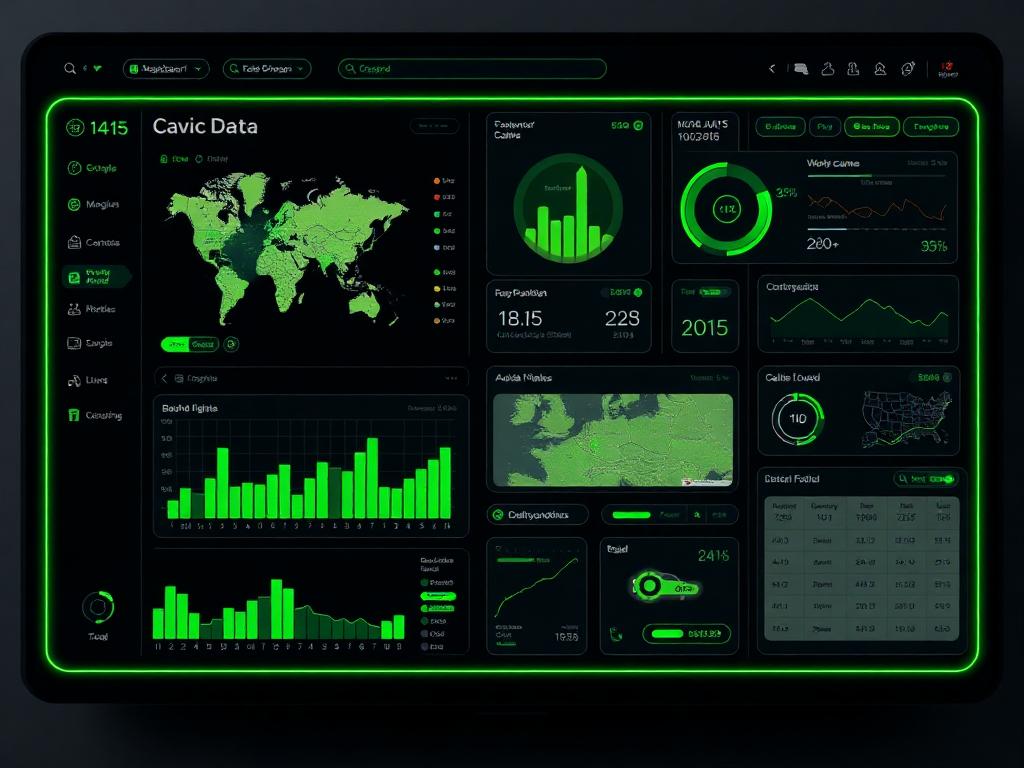
SIMPATI-WANI
Integrated Social Rehabilitation Information Management System
Project Overview
SIMPATI-WANI (Sistem Informasi Manajemen Penerimaan dan Pemulangan Terintegrasi) is an integrated information system developed to digitalize and streamline the social rehabilitation process at UPTD PPS Griya Wanita Mandiri. The platform supports client registration, assessment, intervention planning, case management, monitoring, reporting, termination, and discharge services through a centralized data management system.
Background
Many rehabilitation services are still managed manually using separate documents and spreadsheets, making data difficult to manage, slowing reporting, reducing coordination between officers, and limiting real-time monitoring. SIMPATI-WANI was designed to integrate all rehabilitation service processes into one digital platform to improve efficiency, transparency, accountability, and data-driven decision making.
Objectives
Integrate all rehabilitation service data.
Improve efficiency and accuracy.
Support case management.
Provide real-time dashboards.
Improve public service quality.
Key Features
Client Registration
Structured intake of client identity, referral source, and case origin.
Initial Assessment
Rapid screening of needs, risks, and eligibility on admission.
Advanced Assessment
In-depth psychosocial and social functioning assessment.
Case Management
Single case file consolidating every record and decision.
Intervention Planning
Goal-based service plans with responsible personnel.
Intervention Progress
Session-by-session progress records and evidence.
Termination
Formal closure of intervention with outcome summary.
Client Discharge
Discharge documentation, referral, and aftercare notes.
Leadership Dashboard
Live operational overview for management decision making.
Reporting & Analytics
Automated periodic reports and service statistics.
System Workflow
Technology Stack
Development Timeline
Analysis
Business process mapping, stakeholder interviews, and requirement gathering.
System Design
Data model, service flow, and interface architecture design.
Development
Module-by-module build of registration, assessment, and case management.
Integration
Dashboard, reporting, and document storage integration.
Testing
Functional testing and validation with field practitioners.
Implementation
Deployment, user training, and operational rollout.
Screenshot Gallery
Expected Impact
Social Workers
Less administrative burden and faster access to complete client histories.
Administrators
Single source of truth for records, documents, and service data.
Management
Real-time visibility for supervision, planning, and policy decisions.
Service Quality
Consistent, traceable, and accountable rehabilitation services.